
Welcome to the latest episode of my blog series Breaking Up with Big Tech. This is a painful one. I have been a dedicated fan of the Sony PlayStation since its glorious release in 1995. I have owned every version up to the PS5 and loved them all. They are my go-to gaming hubs and physical media players.
But recently, Sony did something truly baffling. They announced, to enormous fan backlash, that they would stop releasing physical copies of games. All new games would be digital-only. No more discs, only downloads.
Um … what?
That’s like Hasbro announcing that they’re only making digital board games.
I was part of that enormous fan backlash. In response, I vowed that my PS5 would be my last PlayStation. No amount of sleekness and polish can ever justify a gaming product that refuses to let you own the games you purchase.
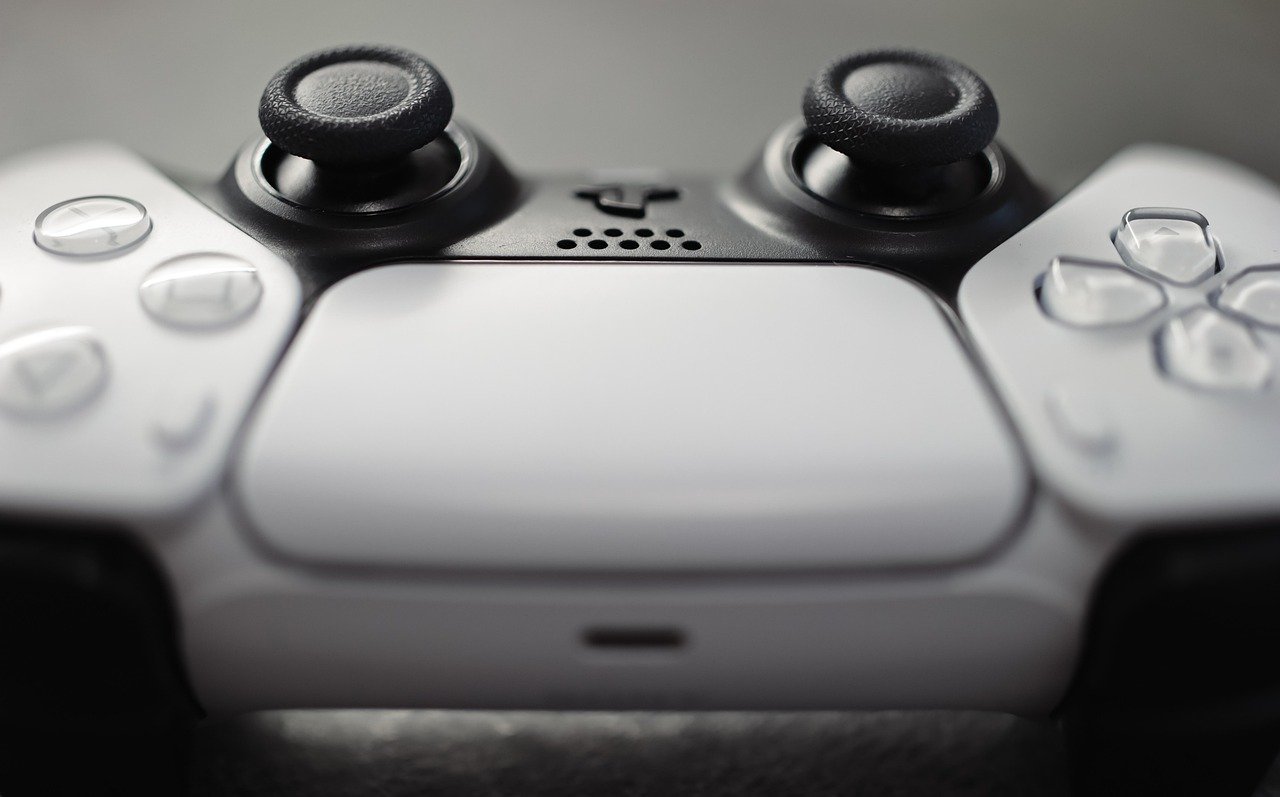
To any non-gamers out there, this decision was utter sacrilege.
Gamers are a notoriously loyal bunch. They will happily support any company who respects their desires, even when the leaders make mistakes. As long as the players remain the focus, mistakes are forgivable. And the second that changes, players abandon ship en masse, never to return. Entire companies have gone belly up because the boardroom couldn’t be bothered to learn what their player customers actually value.
Peak-WoW Blizzard is a great example. World of Warcraft had a massive player base that would gobble up every new expansion. The devs cared about the player experience and the players adored the devs. And then, for reasons that still baffle gamers, Blizzard decided to merge with Activision (owned by Microsoft). The resulting shift in corporate culture turned players into wallets. Their beloved game was quickly tarnished by greed. When confronted by their own players, who yearned for a return to player focus, a Blizzard exec infamously said, “You think you do, but you don’t.” The downfall was swift and the company never recovered. Blizzard still exists today, but only as a shell of its former self.
Gaming eras come and go. The hardware may change, but the community and expectations remain the same. Peak-WoW and Classic Nintendo could not be more different, but the tactile experience was largely similar. You purchased a physical copy of a game and played it on your device. You then owned a piece of physical media that retained value. It was a fair transaction that benefited everyone, much like buying a CD. Love it? Keep it. Hate it? Resell it.
And then the streaming wars began, which launched a new era of enshittification.
You can blame Netflix and Adobe for the subscription nightmare that we endure today. Every Big Tech behemoth jumped aboard the virtual ship. Amazon, Google, Microsoft, Apple, they all started offering digital-only purchases of books, games, and movies. It started off well enough, because digital libraries can be super convenient. The problem was, companies were criminally opaque with their rules and conditions. Buying digital media does not follow the same rules of buying physical media. You don’t own digital media. All you have is a temporary license to use it, something that companies can (and do) take away at any time.
Imagine buying a AAA game for $80 (the average price for a standard edition), which requires a console and internet connection. Then, out of nowhere, the company decides that the servers aren’t profitable. They cancel the project, shut down the servers, and remove the game from your digital library. No refund. Sounds horribly unfair, right? Unfortunately, it happens all the time. So often, in fact, that it spawned the Stop Killing Games movement.
For the longest time, this was an isolated problem with a reasonable solution. As long as you owned a physical copy of a game and the necessary hardware, it didn’t matter. You could play it whenever you liked, regardless of support. Some games required an internet connection, like MMOs, but most were self-contained enough to play offline.
And now Sony is taking that away.
Cue the exodus.
That’s over 30 years of my gaming life tied to a single console. And it all ended with a single, devastating, monumentally stupid decision. The most infuriating part is that Sony anticipated the backlash, but did it anyway. I’m sure some random suit in accounting said that sales would remain strong and that the hardware savings would make up the difference.
Guys, have you ever met a gamer?
We will go back to board games before we let you take away our physical discs. Yes, there will always be players who don’t care and will purchase digital content without hesitation. It’s the same lot who say “everything’s fine” when the Titanic is sinking. Sony is banking on that blind loyalty, but I don’t think they’re prepared for the dark storm of hate that will plague them into the future. This is a permanent stain that has erased decades of trust.
So in the wake of this decision, PlayStation gamers are rightly asking, “What now?” Physical games will continue to work, but what about new games? One option is to abandon consoles for PC. You don’t even need Microsoft anymore because most games work great on Linux. Many gamers swear by Steam, the massive distribution platform that installs games locally, allowing for offline play. You still don’t have physical copies, but you do have the ability to fill external hard drives with anything you purchase. That’s a good middle-ground.
Another option is going back in time. I have started to reacquire retro consoles and emulators, which you can find at local gaming shops. I recently found an NES Mini, which lets me play all the classic games from my childhood. Yes, I love the visual richness of modern gaming, but I also love the pixelated charm of Super Mario Bros and The Legend of Zelda. They remain perfect games because they needed to be in order to release the cartridge.
Older gamers remember when DLC (downloadable content) wasn’t a thing. We had a physical game, a physical console, and no internet. And it was glorious.
So that’s what I do now. When I want a rich gaming experience, I boot up the PS5 and insert my copy of Elden Ring. When I want a retro experience, I boot up the NES Mini and play Castlevania. When I want to try something new, I head to my local gaming shop and buy a used copy. (I also reference DoesItPlay.org to make sure it’s playable offline.)
All of this to say, when Sony implements their digital-only hellscape, I plan to not notice.
As a closing note, there is another option. It has been gaining a lot of momentum and won’t be slowing down any time soon. To quote every disgruntled gamer over the last decade, “If buying isn’t owning, then piracy isn’t stealing.”