Welcome to the next episode in my blog series Breaking Up with Big Tech. In this post, I want to discuss a movement that has been gaining a lot of traction: de-smarting your home. As Big Tech continues to invade our privacy and expand surveillance, consumers are fighting back by trashing their smart devices.
I am one such consumer. I was an early adopter of the “smart home” revolution because my programmer brain loves to optimize. Automating everyday tasks is very appealing to me, so I got smart TVs, smart thermostats, smart plugs, smart lights, smart speakers, smart vacuums, smart doorbells, and I controlled them all with mobile apps and voice assistants.
But over the last several months, I dismantled them all and returned to a “dumb home” setup. Why? Because Big Tech tricked us into becoming Big Brother.
It might be naive to say, but I think the adoption of smart devices began with good intent. The entire point of technology is to make life easier, so it made sense to automate simple tasks. I liked the idea of lights turning on when I wake up. I liked the idea of a robot vacuum cleaning my floors. I liked the idea of verbally requesting music when the mood strikes. It all felt like an embrace of modern living.
As smart devices gained in popularity, prices dropped and the market expanded. Companies raced to develop “smart” versions of common household products, everything from toilets to refrigerators. Utility companies even offered rebates for installing them.
But after a while, cracks began to form in the smart home foundation.
Users started to realize that voice assistants like Alexa and Siri were not just listening for commands. They were recording, storing, and analyzing our conversations. Robot vacuums were not just cleaning floors. They were mapping, storing, and analyzing the interiors of our homes. We now know that “smart” data isn’t being used to improve modern living. It’s being used to create virtual profiles for ad-targeting and surveillance pricing.
We have all heard the stories. You mention something in the privacy of your own home, then you start seeing ads for it. That’s what’s going on. “I could really use a new toaster.” And then you start seeing ads for toasters. That’s a terrifying invasion of privacy.
Smart TVs reveal your tastes. Smart lights reveal your routine. Smart plugs reveal your habits. Smart speakers reveal your mood. Smart refrigerators reveal your health. Smart thermostats reveal your comfort. Smart vacuums reveal your wealth.
Big Tech didn’t need to create Big Brother. We did it for them.
This became abundantly clear when Ring, a home security company owned by Amazon, decided to run a commercial during the Super Bowl. In the now-infamous ad, they touted a feature that allows them to link all cameras in a neighborhood to … find lost pets. The public responded with a collective “WTF?!” The hidden intent was so nakedly obvious that it sparked one of the biggest company backlashes of the modern era.
And it gets worse. The public also learned of Ring’s plan to partner with Flock, a surveillance company that funnels private data to government agencies. And given the lawlessness of the current administration, customers were rightly horrified. Ring immediately shifted into damage control, but their reputation was obliterated. This was a massive wake-up call, which prompted countless people to de-smart their homes.
Unfortunately, Ring is far from unique. The kidnapping of Nancy Guthrie, while tragic by itself, revealed another horror. The family used Nest, the Google equivalent of Ring, which recorded the suspect at the property. However, the family didn’t have an active subscription. Google was recording and storing video without their knowledge or permission. It was a shocking revelation that overshadowed a heinous crime.
The veil was lifted. “Smart” now meant “surveillance.”
I was already disenchanted with smart devices before the Ring and Nest debacles, but that revelation kicked my retreat into overdrive. I decided that any home device that monitors activity needed to be purged or disabled. I replaced thermostats with basic programmable versions. I replaced cloud security with private security (local data storage with encrypted backups). I trashed all of my plugs, lights, vacuums, and voice control devices. And finally, I disconnected every TV and speaker from the internet.
Side note on smart TVs: you can make them “dumb” by simply not connecting them to the internet. In fact, they work best with external devices because gaming consoles and media players are built for performance. The TV’s sole job should be the image output. The “smart” part is a bloatware suite that only exists to harvest data. Streaming services also harvest data, but smart TVs are measurably worse. If you have to stream, go with the lesser evil and use an external device. Better yet, you can always return to physical media.
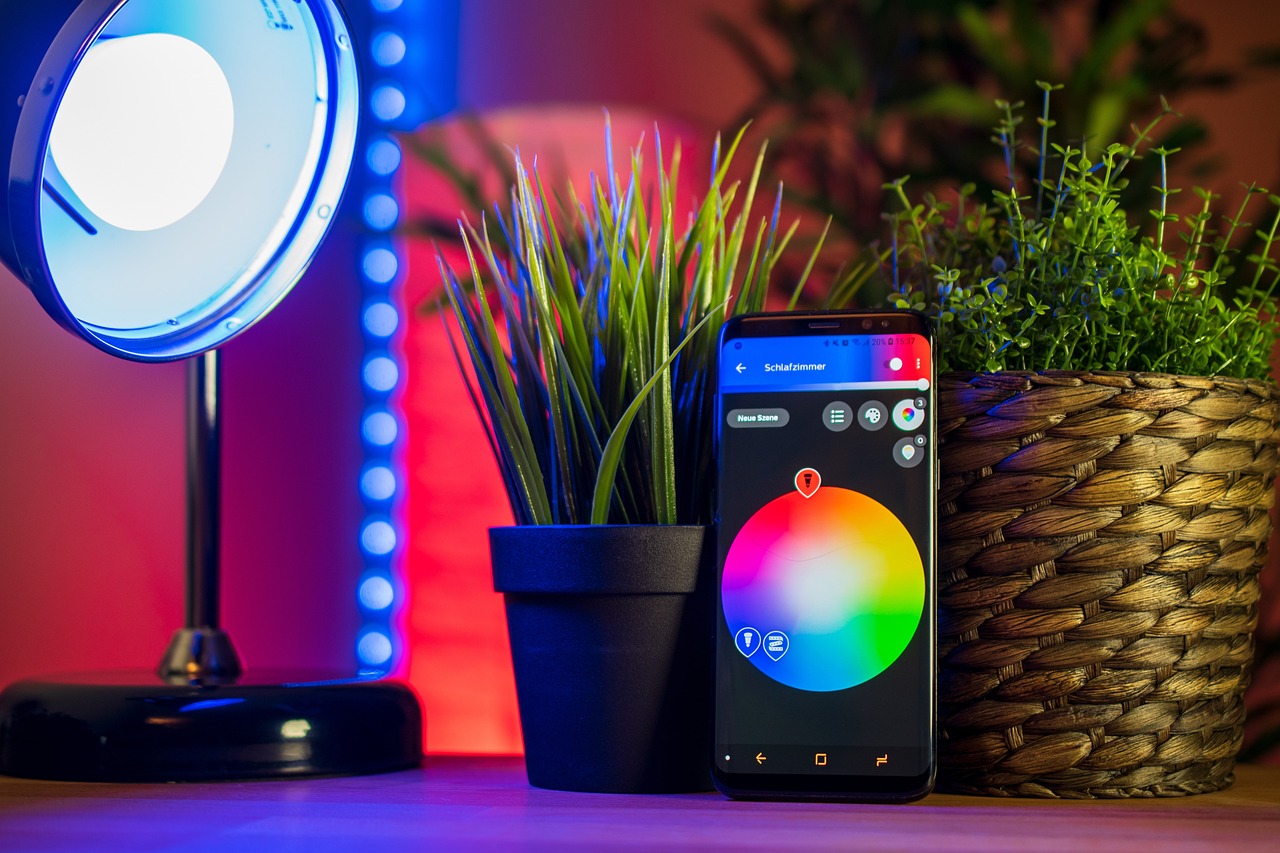
We also need to talk about the mobile apps, i.e. the hidden goblins inside the smart home ecosystem. A light bulb does not need its own app. Furthermore, a light bulb app does not need access to my camera, microphone, or contacts list. We give away so much data to crappy apps that are little more than spyware skins. I hadn’t appreciated the full extent until I checked the permissions of all my smart home apps. It was horrifying. When the purge began, one the first things I did was uninstall those apps.
(I am also fully aware that my phone is another privacy invader, but that’s a different can of worms. I have already de-Googled the device and have an attack plan for the rest, which I will detail in another post. I wanted this one to focus on smart homes.)
At this point, I have fully detached my home from the prying eyes of Big Tech. It’s weird to think that I can speak freely again … in my own damn house. Lesson learned. My data is not for sale. No amount of convenience is worth padding the pockets of Big Tech. They are the problem, not the hassle of flicking a light switch.